
真爱趁现在
1,500-year-old glazed pottery reveals Eurasian cultural exchanges in ancient northern China_我的网站

一 |
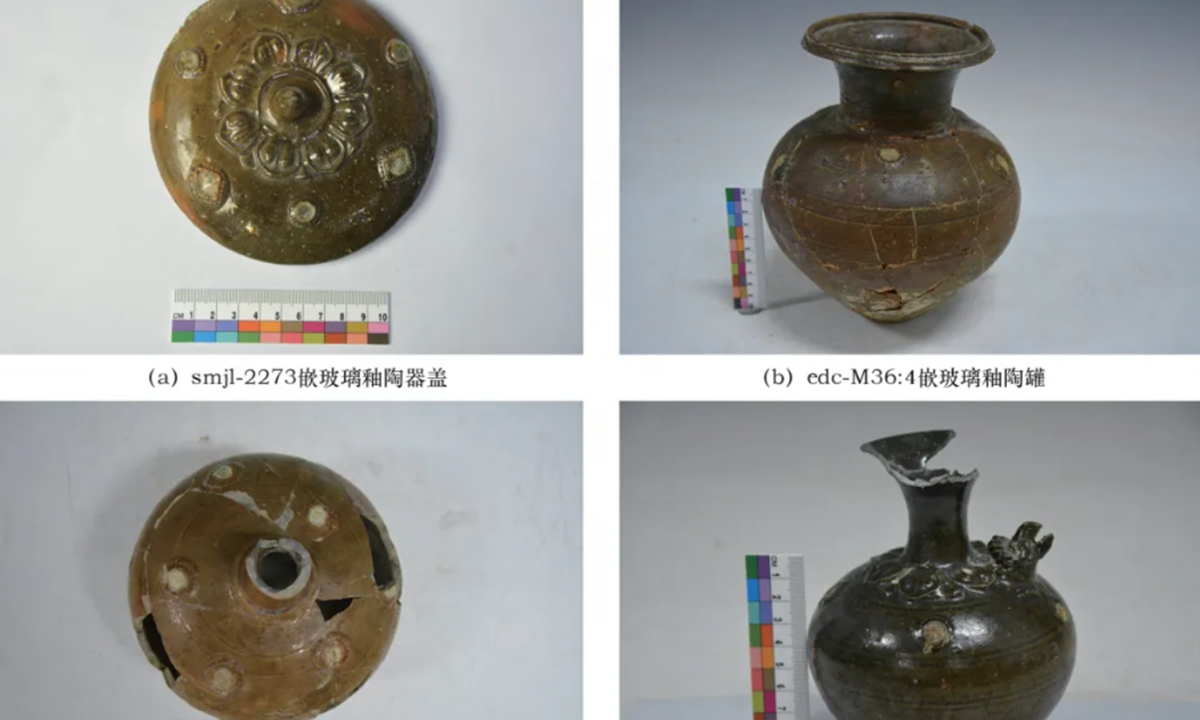
Systematic analysis conducted by the institute of pottery wares dating back to the Pingcheng period of the Northern Wei Dynasty (386-534) has identified distinct foreign cultural and technological elements embedded in the craftsmanship and material composition of the unique artifacts, shedding fresh light on ancient Eurasian cultural integration.
Established by the Tuoba Xianbei ethnic group, the Northern Wei Dynasty designated Pingcheng, present-day Datong city in Shanxi Province, as its capital from 398 to 494. For nearly a century, the city served as a pivotal multicultural hub where Xianbei nomadic culture, Central Plains Han culture and diverse Western Regions civilizations converged and interacted, according to a report on Chinanews.com.cn.
Archaeological excavations at multiple tomb clusters in Pingcheng, including the Dongxin Northern Wei cemetery and the Qilicun cemetery, have yielded a total of eight pieces of glass-inlaid glazed pottery. Though far fewer in number compared with common glazed pottery figurines and painted glazed wares, these artifacts feature an extremely rare inlay technique unseen elsewhere in the developmental history of Chinese ceramics, according to the press release.
Given the exceptional rarity and good preservation of the relics, researchers selected four representative pieces for comprehensive laboratory testing and material analysis. The results show that the glass inlays are primarily soda-alumina glass, most likely produced by remelting trade beads from the Indian Ocean and Pacific regions, a key commodity in ancient maritime and overland trade networks.
The findings confirm that Pingcheng maintained frequent cross-border trade and cultural communication during the Northern Wei era, with access to glass raw materials sourced from diverse overseas regions. The varied compositional characteristics of the inlaid glass provide crucial clues for studying ancient glass-making technologies, raw material circulation and long-distance trade routes in ancient East Asia, the press release noted.
Beyond material composition, the artifacts also embody prominent cross-cultural innovation in design. Their decorative motifs draw heavily on gem-encrusted gold and silver wares of the Sasanian Persian Empire, while integrating artistic elements from other Eurasian regions. The blended design styles reflect the era's prevailing trend of multicultural fusion and creative assimilation of foreign civilizations.
Archaeologists noted that the glass-inlaid glazed pottery represents an innovative technological achievement crafted by Northern Wei artisans who absorbed and refined foreign techniques and aesthetics. The distinctive craftsmanship and stylistic features of these wares exerted a far-reaching influence on ceramic production in surrounding regions and subsequent dynasties, marking a vital chapter in the evolution of ancient Chinese ceramic art.
The research underscores that ancient China's northern borderland was not an isolated cultural enclave, but an active node in Eurasian cultural and trade exchanges, where foreign elements were localized and innovated to form unique regional civilizational achievements, archaeologists from the Shanxi Provincial Institute of Archaeology said.
。
美国国务卿安东尼·布林肯周三于基辅明确表示,决定何时启动与俄罗斯的和平谈判之钥握于乌克兰手中,此举在美国与乌克兰外交部长德米特里·库列巴的联合新闻发布会中得到强调。

二 | 布林肯此言是在回应有关乌克兰是否预备于今年内着手“终止战事”的询问,他明确指出,谈判桌上的入场券归属乌克兰自主抉择,不受美国或其他国家意志左右。
布林肯在讲话中凸显了乌克兰的决策自主性,称:“谈判的门槛是乌克兰设定的,不是美国或任何其他外部力量所能界定。核心在于乌克兰的判断与选择,我们对此表示尊重并坚定支持。”他同时指责俄罗斯缺乏真诚的和平努力,指出若俄方总统普京展现谈判诚意,乌克兰方面定会积极响应,遗憾的是,当前俄方行动却与和平呼声背道而驰。
俄罗斯一再声明其和平意愿,前提是谈判需基于现状考量,尤其在2022年秋,随着顿巴斯两地及赫尔松、扎波罗热地区的公投加入,其立场更为坚定。然而,这些领土变更未获乌克兰承认,基辅视其为非法行为,并继续对包括2014年后并入俄罗斯的克里米亚在内的地区提出主权诉求。
值得注意的是,泽连斯基总统于去年秋季签署法令,自我设限与俄现领导层对话,转而推广“泽连斯基和平计划”。该计划预设条件严苛,要求俄军全面撤离乌克兰声称主权范围内的所有土地,加之赔偿损失及设立战争罪法庭,俄罗斯对此表示无法接受,视其为缺乏实际操作性的提议,认为这反映了乌克兰规避外交途径解决冲突的意图。
俄罗斯外长谢尔盖·拉夫罗夫近期表示,由于美国及欧盟方面缺乏进行严肃对话的准备,莫斯科方面面临“无人可谈”的困境,这无疑加剧了和平进程的僵局。
此外,有报道称西方在和平倡议上的中立态度并非铁板一块,乌克兰议员戴维·阿拉卡米亚揭露,前英国首相鲍里斯·约翰逊曾介入和平进程,劝阻乌克兰放弃和谈,坚持军事对抗,此番言论涉及去年春季在白俄罗斯和土耳其举行的几轮谈判,其中阿拉卡米亚作为基辅代表发挥了关键作用。这些动态揭示了国际舞台上复杂多变的势力博弈,和平之路依旧充满未知与挑战。
美国为什么突然公开声明乌克兰可以自行决定是否以及何时与俄罗斯展开和平谈判,这一表态反映是出于什么考虑?背后又发生了什么形势变化?我认为有6个方面的原因。
一是乌克兰主权自主,不想戴干涉乌克兰的帽子。美国的这一声明首先是想表面对乌克兰主权的明确支持,强调和平进程的主导权应由乌克兰自己掌握。

三 | 这符合国际法原则,即冲突方的自主决定权是解决争端的核心,也想公开展示美国尊重乌克兰作为一个独立国家的决定。至于背后?你们去琢磨。
二是树立正面国际形象,站稳道德高地。美国希望通过这种方式维护其在国际舞台上的正面形象,表明自己并非冲突的直接操控者,而是乌克兰的支持者。这样可以减少外界对其干涉他国内政的批评,同时也向国际社会展示其对和平解决冲突的开放态度。
三是内部政治考量。

四 |
美国国内对于支持乌克兰的政策存在不同声音,部分人士担心过度介入可能导致与俄罗斯的直接对抗升级,或是对美国资源的长期消耗。
五 | 因此,强调乌克兰的决策自主权有助于平衡国内各方意见,减少政治压力。
四是国际压力与外交策略。国际上对于和平解决俄乌冲突的呼吁日益增强,美国的这一表态可能是对国际舆论的一种响应,同时也是对俄罗斯和其他国际伙伴的一种外交姿态,表明美国愿意看到和平进程,但不强加条件。

六 |
五是形势发生了变化。冲突的持续对全球经济、能源市场和粮食安全造成重大影响,美国意识到长期冲突的不可持续性,并希望通过表明这一立场,促使各方重新评估和平谈判的可能性。此外,战场局势的波动、乌克兰的军事进展以及俄罗斯的态度变化都可能影响了美国的判断,认为现在是时候让乌克兰根据实际情况考虑和谈的时机。
六是战略调整。

七 |
美国可能也在评估其长期战略目标与短期利益,试图在提供援助和避免冲突升级之间找到平衡点。
八 | 通过让乌克兰决定谈判时机,美国可以在不直接干预的情况下观察局势发展,保留自身的灵活性。
Current article:http://hvh.yinkataizengquge.bond/0r02k7/20260826/7569981.doc
Published on:19:43:50


1
Priyanka Chopra Jonas Joins Jonas Brothers As They Get Honoured at TCL Chinese Theatre2
[视频]Google预告Messages十项新特性 并启用全新图标3
普京在哈工大演讲全文,附演讲全程视频4
10 Best Korean Horror Movies: A Tale of Two Sisters and More5
WAIC 2026|从芯片到十万卡集群,太初元碁打破“超算智算二选一”6
正在生产右舵版本 firefly萤火虫或将于10月进入英国市场7
日厂打造世界首例四人四足步行机器人 大象一般惬意乘坐8
Then Vs Now: Bollywood Child Artists Who Went On To Become Established Actors9
Arijit Singh Brings Heart and Harmony to His New Romantic Single Fitratein10
建设“橙汁之都” 重庆忠县力争到2030年柑橘全产业链综合产值突破200亿元,建设“橙汁之都” 重庆忠县力争到2030年柑橘全产业链综合产值突破200亿元11
不延期!跟队记者:意大利杯半决赛次回合米兰德比如期进行12
综合续航超2100km 吉利银河A7 EM-i更多角度官图发布13
上百人被骗,涉案金额上千万!这种“墓地投资”千万别信_鲁中_公司14
海报丨“数”览党代会报告!过去五年,石家庄这份成绩单很亮眼15
开创新时代我国工运事业和工会工作新局面
- 随机推荐
1
伊朗官员放狠话:若美打经济战,霍尔木兹海峡和波斯湾将再无石油出口;美军称对伊朗海上封锁以来已拦截75艘商船2
Army private who fled to North Korea charged with desertion, held by US military, officials tell AP3
105km 长续航:爱玛辉腾 Pro 电动摩托车 2999 元 3 期免息4
【观点】南华期货:铜现货流通偏紧,库存去化支撑升水走强5
South Africa freedom day memorial gathering reveals its pursuit of dignity and inclusive governance in post apartheid era6
西媒:国王杯决赛球场已经为皇马vs巴萨焦点战做好准备7
China accelerates LEO satellite deployment with two launches in 12 days, but gap remains in launchpad efficiency, rocket reusability: expert8
1.15财富袋精华:优酷31天免费广告,云闪现金红包加密码9
市委召开全市经济运行座谈会10
绍伊古去职:俄罗斯权力中枢的洗牌11
钱塘区持续擦亮“银耀钱塘”企退文化品牌12
Golden Globes 2026 nominations: Wicked 2 Snubbed as White Lotus & One Battle After Another take lead13
克莱满怀争冠期待赴独行侠 却遭遇球队巨大动荡14
两位老人被质疑从自助餐店带出食物,一怒之下倒空背包自证清白,事发时有人举报一桌顾客将四瓶酒和水果放入包中,餐厅:已批评涉事店员15
박현주 “삼전닉스, 배당보다 투자해야…주주환원 요구는 허접한 얘기”